
INSIGHT June 10, 2024
Designing health-conscious built environments:
A Blueprint for well-being
In an era where public health concerns are more pronounced than ever, the significance of health-conscious built environments cannot be overstated. The spaces where we live, work, and play profoundly impact our physical, mental, and social well-being. As society becomes increasingly aware of this interconnectedness, the demand for buildings and spaces designed with health and wellness at their core has surged. This comprehensive article explores the importance of health-conscious built environments, the role of thoughtful design and planning in promoting well-being, and how strategic interventions can create healthier communities for all.
The Foundation of Health-Conscious Design
Health-conscious design prioritizes the well-being of occupants from the ground up, integrating considerations for air quality, natural lighting, thermal comfort, and connectivity with nature, among other factors. It's a holistic approach that seeks to minimize harmful effects on human health and the environment, thereby enhancing the overall quality of life.
The Role of Design And Planning:
Health-conscious design prioritizes the well-being of occupants from the ground up, integrating considerations for air quality, natural lighting, thermal comfort, and connectivity with nature, among other factors. It's a holistic approach that seeks to minimize harmful effects on human health and the environment, thereby enhancing the overall quality of life.
Design and planning play pivotal roles in shaping health-conscious environments. Through careful consideration of layout, materials, and systems, designers and planners can create spaces that promote physical activity, reduce stress, foster social interactions, and protect against environmental hazards.
- Air Quality: Indoor air quality is paramount in health-conscious design. Strategies include using low-emitting materials, ensuring adequate ventilation, and incorporating air purification systems to reduce pollutants and pathogens.
- Natural Lighting and Views: Access to natural light and views of nature has been shown to boost mood, improve sleep patterns, and increase productivity. Thoughtful window placement and the integration of outdoor and indoor spaces are key elements.
- Thermal Comfort: Achieving thermal comfort involves designing HVAC systems that can be adapted to individual preferences and seasonal changes, enhancing comfort and reducing the risk of respiratory issues.
- Green Spaces: Integrating green spaces within and around buildings promotes mental well-being, encourages physical activity, and improves air quality. These spaces range from interior plantings and green walls to communal gardens and landscaped grounds.
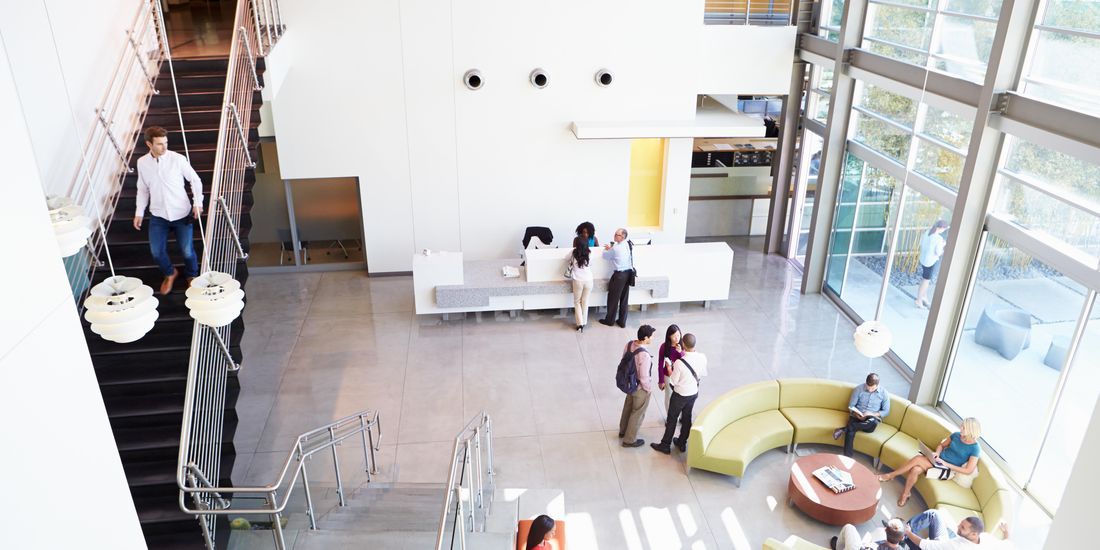
Illustrative Image of an Interior Space and How Users Interact with - International WELL Building Institute
THE IMPACT ON WELL-BEING:
The design of our built environment has far-reaching implications for individual and community health. By fostering active lifestyles, providing serene and restorative spaces, and ensuring safety and accessibility, health-conscious designs have the power to transform our quality of life.
PHYSICAL HEALTH:
Buildings designed with health in mind encourage movement through features like stairs, walking paths, and bicycle storage facilities.
They also minimize exposure to harmful substances and conditions, thus reducing the incidence of diseases related to poor air quality, inadequate lighting, and excessive noise. For instance, the use of non-toxic building materials and proper waste management systems can significantly lower the risk of respiratory problems and allergies.
MENTAL WELL-BEING:
The psychological effects of built environments are profound. Spaces that incorporate natural elements, ensure privacy while promoting social interaction, and offer areas for relaxation and recreation can greatly enhance mental health. The biophilic design, which seeks to connect occupants more closely to nature, has been shown to reduce stress, improve cognitive function, and enhance mood and creativity.
SOCIAL WELL-BEING:
Health-conscious environments also foster social well-being by creating spaces that encourage interaction and community building. Communal areas, safe pedestrian pathways, and accessible facilities contribute to a sense of belonging and support social networks, which are vital for mental health and resilience.
THE FUTURE OF HEALTH-CONSCIOUS BUILT ENVIRONMENTS:
As awareness of the link between health and the built environment grows, so too does the demand for spaces designed with well-being in mind. Future trends likely include an increased focus on mental health, with designs that offer more personal space, flexibility, and connections to nature. The integration of health technology into buildings, from air quality sensors to wellness tracking, will become more common, providing real-time feedback to occupants and facility managers.

Illustrative Image of a Happy Family in Their House (Private Space /Kitchen) - Freepik
Conclusion:
How ECOBUILD Can Help?
Let ECOBUILD be your partner in crafting built environments that are not just spaces for living and working, but thriving ecosystems that enhance physical and mental well-being, today and into the future.
In embracing the imperative of health-conscious design, we have the power to transform our built environment into a catalyst for well-being and sustainability, As the demands on our spaces continue to evolve, so too will the solutions we devise to meet them, with ECOBUILD leading the way in designing the healthy, resilient, and vibrant communities of tomorrow.